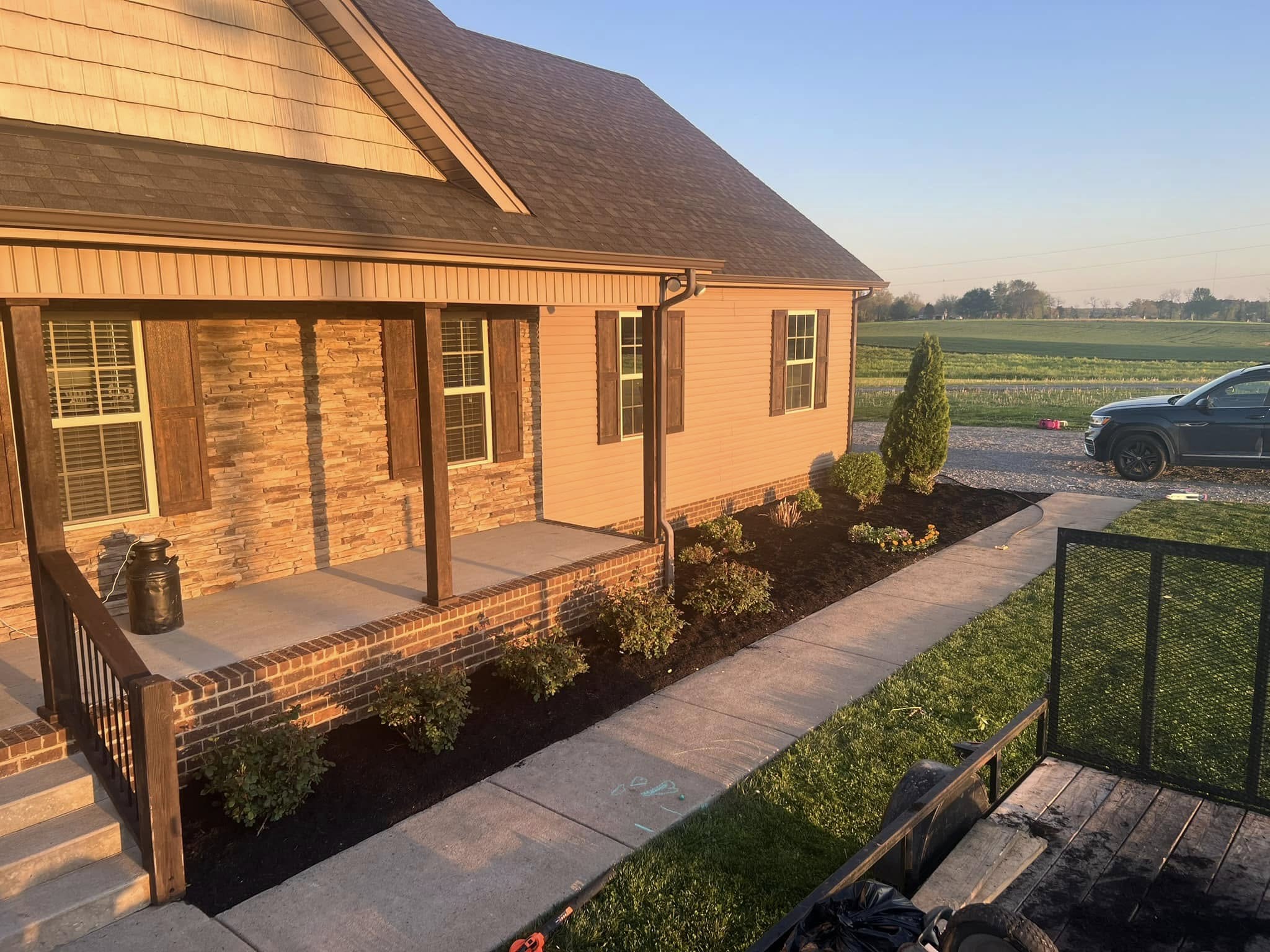
Native Plants and Hardscape: Creating a Harmonious Outdoor Environment Mar 06, 2026
Native plants are a vital component of any sustainable landscape. They have evolved to thrive in the local climate, requiring less water, fertilizer, and pesticides than non-native species. By incorporating native plants in your yard, you are promoting biodiversity and providing essential habitats for pollinators and local wildlife. This not only enhances your garden's natural beauty but also contributes to the larger ecological balance of the area.
On the other hand, hardscape elements such as patios, walkways, retaining walls, and water features offer structure and utility to your outdoor space. They provide contrasting textures that can highlight the lushness of the greenery, create visual interest, and define different areas of your garden. Hardscape features are particularly useful in designing functional spaces for entertaining or relaxing, thus maximizing the utility of your landscape.
The key to successfully integrating native plants and hardscape is in the planning and design phase. Start by assessing the unique characteristics of your yard. Is there a natural slope that could benefit from a retaining wall? Do you have an area where a pathway could encourage more frequent use? Once you have determined the hardscaping elements you would like to include, consider which native plants will complement them aesthetically and thrive in those conditions.
For instance, if you are installing a stone patio, consider surrounding it with native grasses and wildflowers such as black-eyed Susans or purple coneflowers. These plants not only add vivid color and movement to the rigid lines of a patio but also require minimal water and care. For pathways, ground covers like creeping thyme not only soften the edges but release a pleasant fragrance when stepped on, creating a multisensory experience.
Beyond aesthetics, there are other practical benefits to using native plants in your hardscaping designs. Because native plants require fewer resources, they are more cost-effective in the long run. They help reduce the environmental impact of excessive water usage and chemical applications, making them an eco-friendly choice.
Moreover, native plants are typically more resistant to local pests and diseases, reducing the need for chemical interventions. This makes your garden healthier and safer for children, pets, and beneficial insects. In areas susceptible to erosion, native plants, with their extensive root systems, can stabilize the soil—a perfect partner to retaining walls made from natural stone or other hardscape materials.
In conclusion, the seamless integration of native plants with hardscape elements can elevate your outdoor space from practical to picturesque. By blending these elements, you are not only enhancing the visual and functional aspects of your yard but also supporting local ecosystems and reducing maintenance. Southern Hardscape’s & Landscaping is here to help you design and implement a sustainable landscape plan that reflects your personal style while honoring the natural beauty of your environment. Embrace the opportunity to create a harmonious outdoor environment where nature and design coexist beautifully.
/filters:no_upscale()/filters:format(webp)/media/69505411-e7d8-45c9-8543-4efc2bc063a7.jpg)